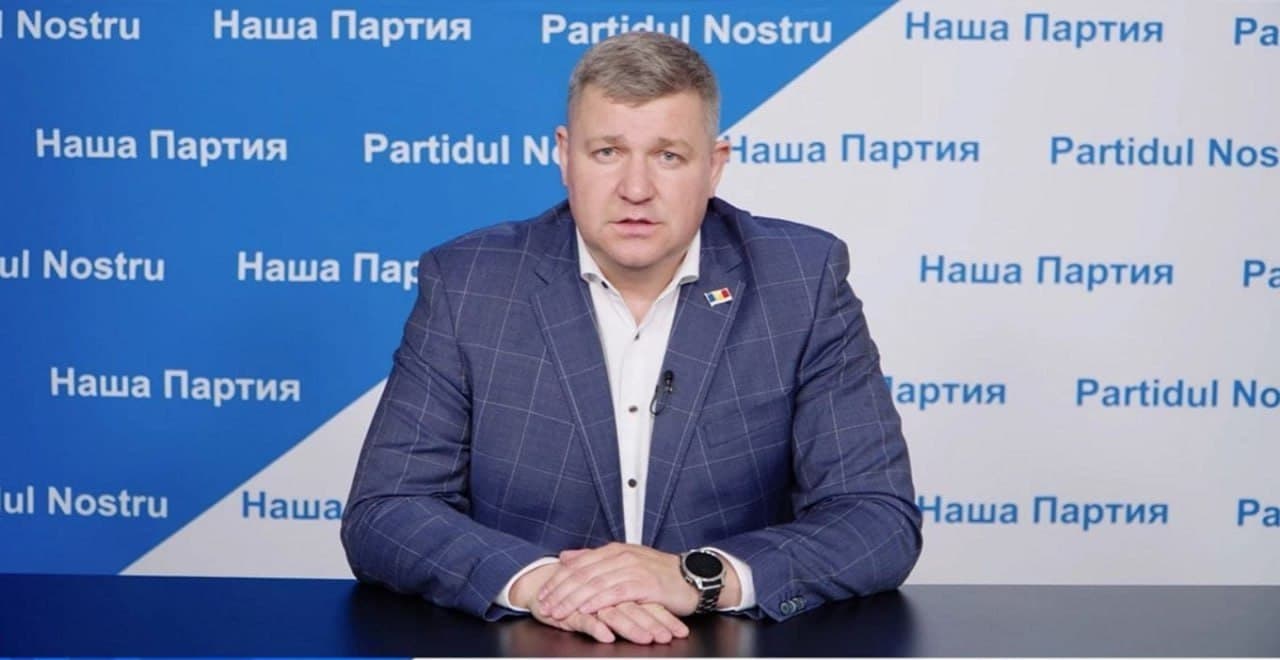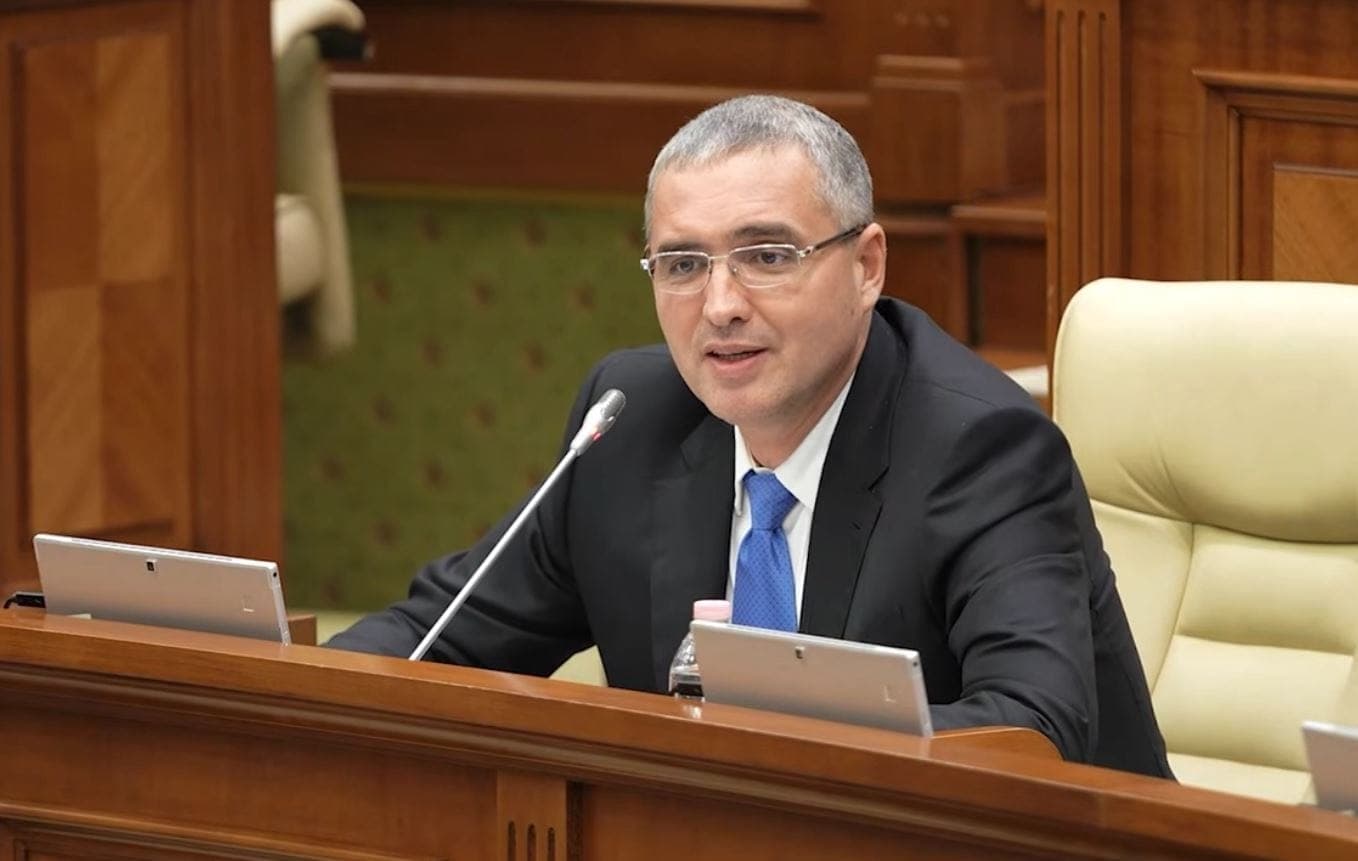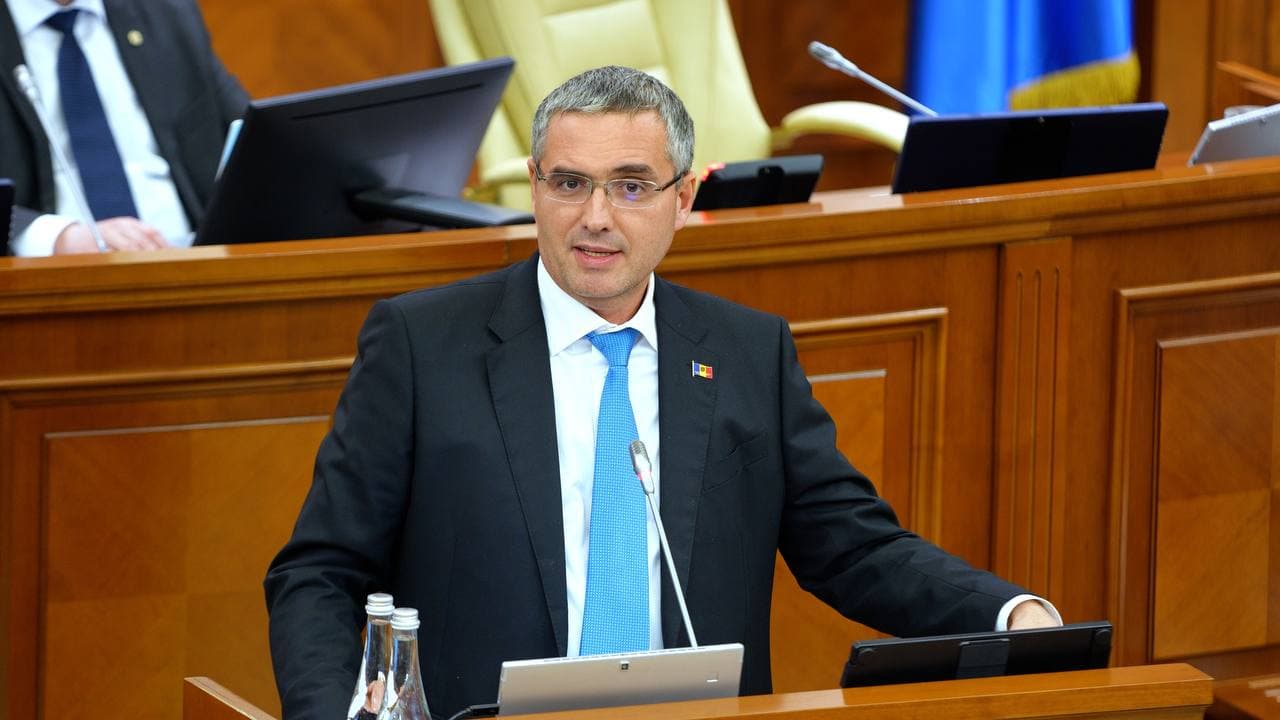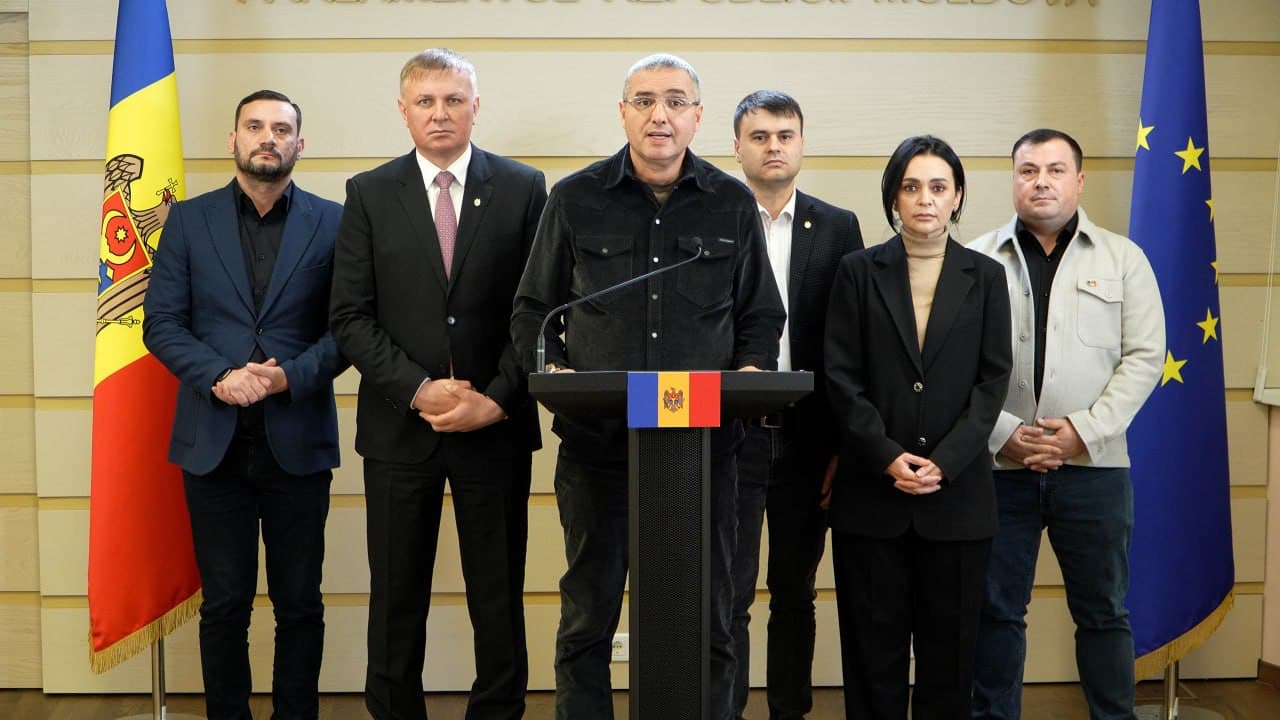

A "OUR PARTY" MP DROWED THE ATTENTION OF THE VENICE COMMISSION TO THE SHORTCOMINGS OF THE LAW ON COMBATING ELECTORAL CORRUPTION

04.02.2026
∙
1102 Views
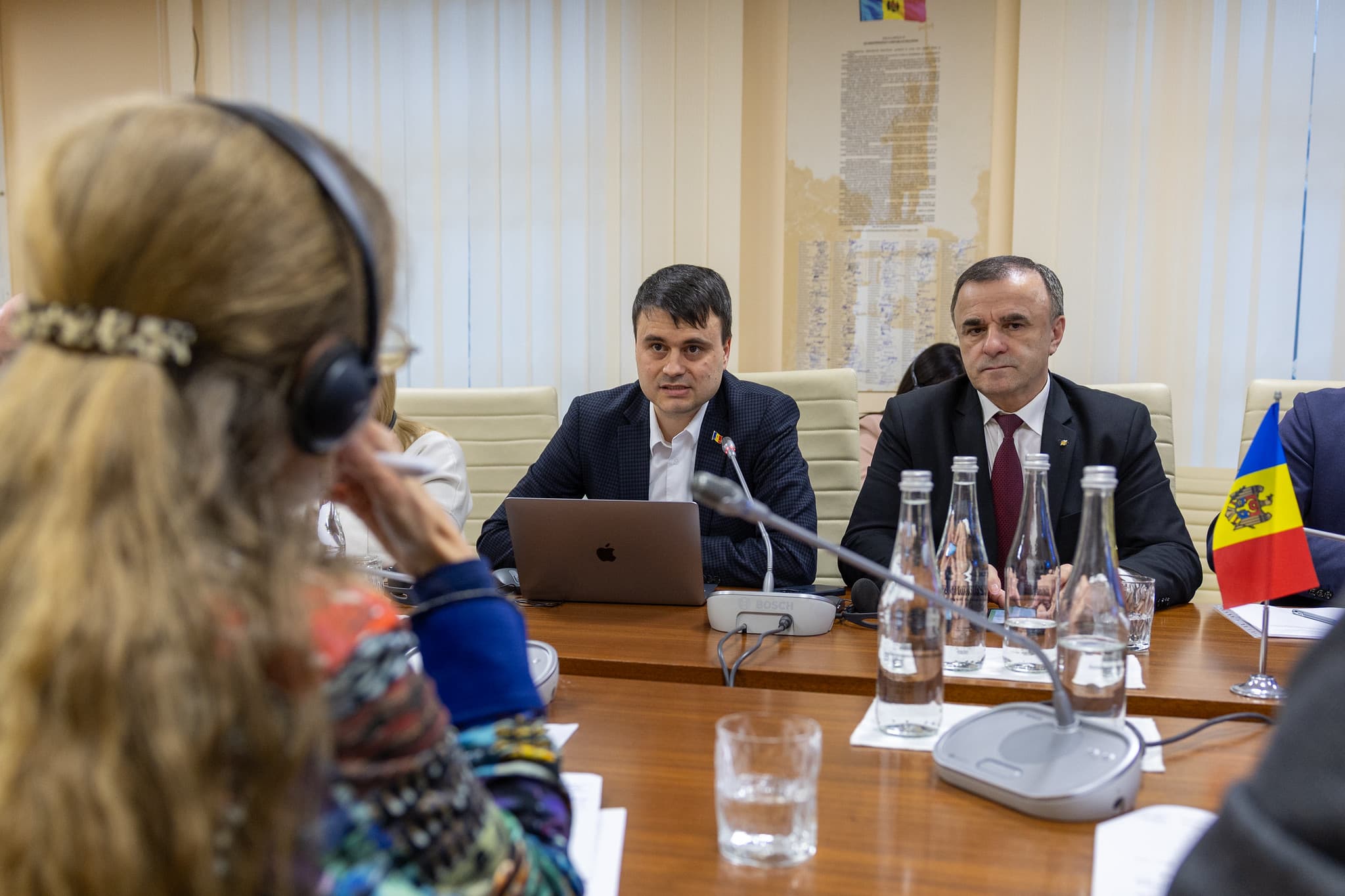
"Our Party" MP Alexandru Berlinschi believes that "the law on combating electoral corruption was adopted late—in the midst of the election year—and a number of its new requirements are difficult to implement, and in some cases, completely impossible, within such a tight timeframe." He made this statement at a meeting with representatives of the Venice Commission within the framework of the Parliamentary Committee on Law, Appointments, and Immunities.
The Venice Commission mission traveled to Moldova specifically to discuss on-site with representatives of several government agencies the preparation of an opinion on the law amending several regulatory acts to effectively combat electoral corruption.
Berlinschi drew attention to "the introduction of artificial bureaucratic obstacles for political parties, such as the obligation to maintain and submit registers of members and governing bodies, with the risk of exclusion from the election campaign for failure to comply with administrative requirements, rather than for genuine violations of the law."
"Furthermore, I pointed out the increased risks to the protection of personal data in the context of the mass collection of sensitive information, which could be used for abuse and hinder citizens' political participation," the MP wrote on social media.
According to him, some concepts are formulated too broadly, creating the risk of selective interpretation of the law, and also provides for mechanisms with immediate application with insufficient guarantees."
"I support a decisive fight against corruption in elections, but it must be conducted on the basis of fair, predictable, and truly applicable rules, without turning the law into an instrument of political pressure or eliminating democratic competition," Berlinschi emphasized.
Comments

Popular posts

The parliamentary opposition (the Alternative bloc, the Democracy at Home party, and Our Party) on Thursday put forward a vote of no confidence in state energy policy-makers.
05/02/2026
 6687 Vizualizări
PARLIAMENT TO DISCUSS LEGISLATIVE INITIATIVE OF "OUR PARTY" TO EXTEND THE PERIOD OF STAY IN MOLDOVA FOR CARS REGISTERED FOREIGNLY
18/02/2026
3308 Vizualizări
OUR PARTY HAS PROPOSED A BILL TO LIFT THE TAX BURDEN ON CITY HALLS ON DONATED PROPERTY
20/01/2026
3019 Vizualizări

OUR PARTY DEPUTY: ADMINISTRATIVE AND TERRITORIAL REFORM SHOULD BE IN INTERESTS OF CITIZENS
20/01/2026
2784 Vizualizări
OUR PARTY REGISTERED BILL TO FIX "GAP" IN NEW LAW ON CITIZENSHIP
27/01/2026
2385 Vizualizări
AN "OUR PARTY" MP CALLS ON AUTHORITIES TO PREVENT POLITICAL INTERFERENCE IN THE JUDICIAL PROCESS
09/02/2026
2339 Vizualizări
CHAIRMAN OF OUR PARTY AND GERMAN AMBASSADOR DISCUSSED SITUATION IN MOLDOVA AND BILATERAL COOPERATION
03/02/2026
2224 Vizualizări
BĂLȚI MAYOR ALEXANDR PETKOV BELIEVES COOPERATION WITH INTERNATIONAL PARTNERS TO BE A VALUABLE TOOL FOR MODERNIZING THE CITY
02/03/2026
2217 Vizualizări
Follow us